The mid-range smartphone segment in India is dominated by the Chinese smartphone manufacturers. The Samsung Galaxy A7 is a game-changer for the company. This is a mid-range smartphone that gets the first ever triple rear camera setup seen on a Samsung device. The company has been wanting to bring high-end features to its mid-range phones. It started with including a lower resolution version of its AMOLED Infinity display on the mid-range phones. Companies such as Xiaomi, Oppo, and Vivo are leading this segment, and major players such as Samsung has lost plenty of market share. Therefore, in a bid to get customers to buy more Samsung phones in this segment, the company launched the Galaxy A7!
Samsung will continue to bring newer features to its mid-range smartphones, to try and increase its market share in the segment. In this post, we are going to talk about 5 reasons why the new Galaxy A7 is a game changer for the company.
Samsung Galaxy A7 vs OPPO R17 Pro vs Vivo X23: Price, Features, Specifications Comparison
Samsung Galaxy A7: Premium design
The Galaxy A7 has a great design that gives it a premium look. Samsung has used glass and aluminium to build this phone. The front gets a Gorilla Glass 3 panel, while there’s a 2.5D glass panel at the back. An aluminium frame holds everything in place. This gives the phone a very premium look and feel.
Samsung Galaxy A7: Super AMOLED Display
The display on the phone is a 6-inch AMOLED display, but unlike other mid-range phones or even some high-end devices, this gets a Super-AMOLED (S-AMOLED) panel. Why does this matter? Well, an S-AMOLED panel is better in many ways, when compared to a standard AMOLED screen. You get higher contrast, better vivid colours; darker blacks, and improved viewing angles.
Samsung Galaxy A7: Triple Rear Camera
The highlight of this phone, is the triple rear camera setup at the back. You get a primary 24MP sensor, which gets an f/1.7 aperture, and can record 4K videos at 30fps, and super slow motion 960fps videos as well. The 24MP camera is coupled with an 8MP ultra-wide angle sensor, which gets 120-degree fov and f/2.4 aperture. There’s a third 5MP sensor, which is used for the depth-sensing purposes. The phone gets a live focus feature that lets you adjust the depth of field, after taking a picture.
A pretty good camera setup then, that too in a mid-range smartphone. Even the flagships from Samsung haven’t got such as setup.
Samsung Galaxy A7: Good Hardware
The Galaxy A7 comes with decent hardware as well. You get an octa-core Samsung Exynos 7885 chipset, which is coupled with up to 6GB of RAM, and 128GB of internal storage. The processor is clocked at 2.2GHz, which is good enough for most games, multi-tasking, and other tasks.
You also get a side-mounted fingerprint sensor that is quite uncommon in mid-range phones. This makes for a cleaner looking front and back. There’s a microSD card slot as well, in case you want to add more storage. On the front, there’s a 24MP camera with LED flash, for selfies. A 3300mAh battery keeps the lights on, and it supports fast charging as well.
Samsung Galaxy A7 vs Vivo V11 vs OPPO F9 Pro: Price in India, Specifications, Features Compared
Samsung Galaxy A7: Pricing
Samsung has priced the new Galaxy A7 at Rs. 23,999 price in India for the 4GB RAM and 64GB storage variant. Yes, that is a bit higher than others with similar specifications smartphones. However, those phones do not have a triple-camera setup, a Super AMOLED screen, and such a good build quality. The higher specification version, with 6GB RAM and 128GB storage, is priced at Rs. 28,990.
The post Samsung Galaxy A7: 5 Reasons the Triple Camera Phone is a Game Changer for Samsung in Mid-price Range appeared first on MySmartPrice.
from MySmartPrice https://ift.tt/2NVvBEK

 Science is paving the way for bringing lions back from the list of endangered species of animals. Two lion cubs, Victor and Isabel, have been born by the means of artificial insemination and scientists at the University of Pretoria, who are researching the reproductive system of female African lions, say that they are the first such pair of lion cubs in the world. Andre Ganswindt, the Director of University of Pretoria's mammal research institute, says that the two cubs, a male and a female, were born on August 25 and are healthy and normal. He further informs that they had collected sperm from a perfectly healthy lion and his team has pulled off the scientific feat after 18 months of intensive trails, reports AFP. The female lion that gave birth to the two cubs was artificially inseminated after her hormone levels were found to be viable. "And luckily it was successful," said Ganswindt, adding that "there were several attempts, but surprisingly it didn't take too much effort." As per the researcher, the breakthrough could be reiterated for saving other endangered species of big cats as well. Additionally, instead of transporting lions for breeding, the new method will enable scientists and breeders to simply move the sperm to receptive females. The research was carried out at the Ukutula Conservation Center, which is 80 kilometres northwest of Pretoria in South Africa's North West province. The findings are part of a research being done by Isabel Callealta, a Spanish veterinarian and PhD student at the University of Pretoria. Callealta trained the lions personally in such a manner that they lie next to a fence, where scientists can draw blood samples to determine hormonal levels and assess the perfect time for insemination. Imke Lueders, one of the scientists involved in the study, said "having the first lion cubs ever born from artificial insemination in their natural range country, and not in a zoo overseas, is an important milestone for South Africa." "Assisted reproduction techniques are another tool in our conservation box, of course not a sole solution, but another technology that we can use to protect endangered species," Lueders adds. As per the report, Lions are extinct in 26 African countries and their numbers in the wild have dwindled down to 43 percent over the last two decades, with roughly only 20,000 left. The new breeding technique provides some hope to bring these numbers back up again, and not only for lions but also for other big cat species. Cover and intext Image courtesy: AFP


 Humans have always had a fascination with robots. From being a mainstay in science fiction to aiding smooth operations of large warehouses, robots have been becoming a mainstream entity over the last few years. Given the sudden boom in robotics development, a common open-source Robot Operating System was created by Willow Garage and Stanford’s Artificial Intelligence Laboratory. ROS acts as middleware and provides low-level device control and other services. Users of Microsoft Windows have had to rely on an experimental build for now, one maintained by the community, but Microsoft has now announced that they will support ROS natively on Windows. Core ROS was ported to Windows in September thanks to the community’s efforts, but with Microsoft’s announcement, companies deep into robotics can expect Windows to natively support ROS. However, the feature is still very much experimental and hopefully, Microsoft will continue to improve it and make it final sooner than later. “People have always been fascinated by robots. Today, advanced robots are complementing our lives, both at work and at home,” Lou Amadio, principal software engineer for Windows IoT, wrote in a blog post. “As robots have advanced, so have the development tools. We see robotics with artificial intelligence as universally accessible technology to augment human abilities … [and] this development will bring the manageability and security of Windows 10 IoT Enterprise to the innovative ROS ecosystem.” The integrated version is called ROS1 and currently integrates seamlessly with Visual Studio and also leverages Windows Machine Learning thanks to the Microsoft’s development environment. ROS1 will also be capable of harnessing the power of computer vision, Azure Cognitive Services, and Azure IoT cloud services as a native part of Windows. In addition to distributing a Windows-optimized build of ROS, Microsoft said that the company is also working with Open Robotics and ROS Industrial Consortium to expand on what the ROS manufacturing process is capable of, with the goal of boosting efficiency.

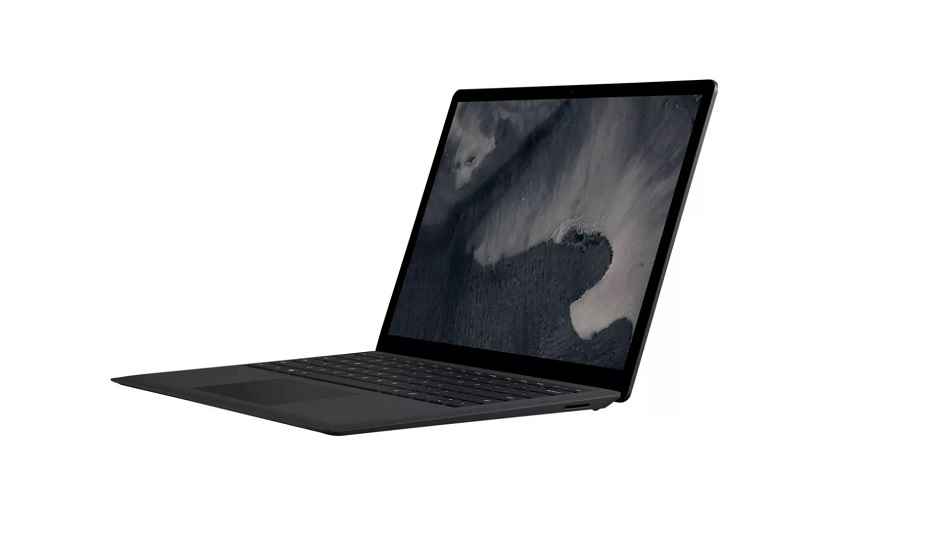 If newly leaked information is to be believed, then the Microsoft Surface Laptop 2 and the Surface Pro 6 will not be blessed with USB Type-C ports. Until now, we were under the impression the new Microsoft Surface devices would feature the port that’s steadily growing in popularity and prevalence, but leaked images from MySmartPrice show a Surface Laptop 2 in a new black colour but with no USB Type-C ports. In the same way, a report from WinFuture explains that “the hardware of the new Surface Pro 6 and Surface Laptop 2 remains completely identical externally.” The German site WinFuture also says that the base variant of the new Surface Laptop 2 will feature an Intel Core i5 CPU, 8GB of RAM, and 128GB of SSD-based storage. This is definitely a bump over the previous model, which offered only 4GB of RAM on the base variant. While there’s a spec upgrade on the Surface Laptop, WinFuture claims the base variant of the new Surface Pro 6 will still ship with an Intel Core m3-7y30 CPU and 4GB of RAM. In return, Microsoft is expected to lower prices of these two models by just a bit. Possibly the new Surface Pro 6 If Microsoft announces a new generation of Surface Laptop and Surface Pro 6 devices with only a Mini DisplayPort and no USB Type-C ports, it would be highly strange (and even maybe dumb), considering how it has announced the new Surface Book 2 and cheaper Surface Go devices with the USB Type-C port. On the other hand, if Microsoft is only touching up the new Surface devices with nothing more than a CPU upgrade, then there’s a good chance there will be no USB Type-C. We’ll know if all of this is true soon because Microsoft is reportedly holding a Surface event on October 2 in New York City, where it’s expected to announce the new Surface Laptop and Surface Pro. Microsoft is expected to sell costlier variants of both devices in a new black colour. Inline image courtesy: WinFuture Cover image courtesy: MySmartPrice
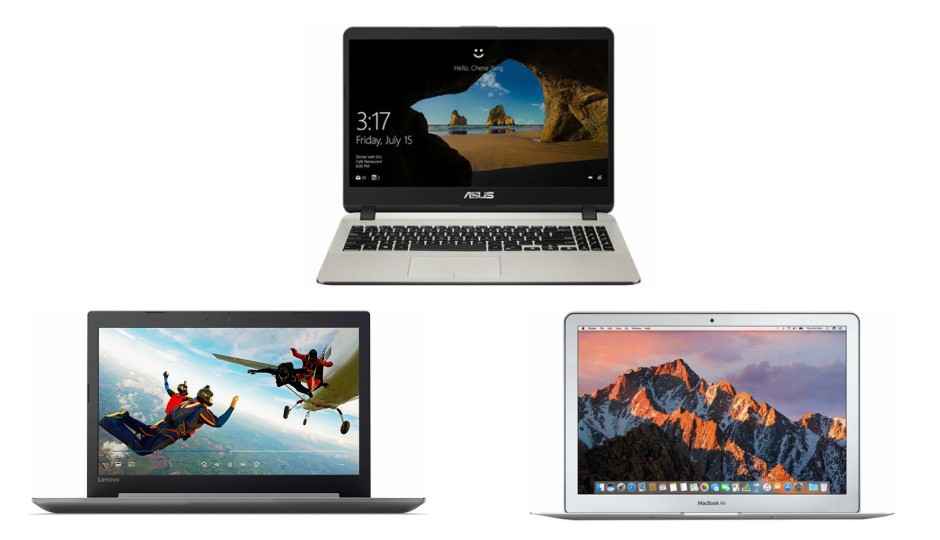 If you’re thinking of purchasing a new laptop then you’re in the luck as we have found some good deals today on Paytm Mall on laptops. The products we have picked out from the platform are from brands like HP, Lenovo, Asus and more. Lenovo Ideapad 320E Price: Rs 35,390 Deal price: Rs 22,390 (inclusive of cashback) The Lenovo Ideapad 320E features a 15.6-inch HD display with a resolution of 1366 x 720 pixels. The laptop is powered by an Intel Core i3 6th Gen processor, which is paired with a 4GB DDR4 RAM and 1TB hard drive. The machine comes with DOS, which means you need to install OS on your own. Click here to buy. Asus VivoBook X507 Price: Rs 35,980 Deal price: Rs 26,419 (inclusive of cashback) The Asus VivoBook X507 comes with a 15.6-inch FHD display with a resolution of 1920 x 1080 pixels. The laptop is backed by an Intel Core i3 6th Gen processor, which is paired with a 4GB RAM and 1TB hard drive. The laptop also has a fingerprint sensor with Windows hello. Click here to buy. HP 15q Price: Rs 45,889 Deal price: Rs 40,490 (inclusive of cashback) The HP 15q sports a 15.6-inch FHD display, which offers a resolution of 1920 x 1080 pixels. The laptop is powered by an Intel Core i3 6th Gen processor, which is paired with a 4GB DDR4 RAM and 1TB hard drive. The machine is also equipped with an Intel UHD 630 graphics card. Click here to buy. Apple MacBook Air Price: Rs 77,200 Deal price: Rs 56,099 (inclusive of cashback) The Apple MacBook Air comes with a 13.6-inch display with an LED backlit. The machine is powered by an Intel Dual Core i3 processor. The device packs an 8GB DDR3 RAM and 128GB storage. It also has an Intel HD 6000 graphics card equipped in it. Click here to buy. Apple MacBook Air MQD42HN Price: Rs 92,500 Deal price: Rs 74,798 If 128GB storage is not what you are looking for then this 256GB variant of the MacBook Air might fit the bill. It has a 13.3-inch display with an LED backlit. The machine is backed by an Intel Dual Core i5 processor, which is paired with an 8GB DDR3 RAM and 256GB storage. Click here to buy.

 The Nokia 5.1 Plus smartphone will go on sale for the first time on Flipkart at 12PM today. Interested buyers can also head to Nokia’s official website to order the budget smartphone. HMD Global, the Finnish company that sells the Nokia-branded smartphones, launched the smartphone in August but unveiled the price of the device in the last week of September. The Nokia 5.1 Plus (Review) is priced at Rs 10,999 in India. The company has also attached offers and discounts with the smartphone. Customers can buy the handset on “No cost EMI” which is available at Rs 1,834 per month. Standard EMI is also available. There are bank offers under which customers can get 10 percent instant discount on Mastercard for ‘First Online Payment’ and Axis Bank Buzz credit card users can avail 10 percent off. HMD Global has partnered with Airtel and customers can get Rs 1,800 cashback and upto 240GB free data on a recharge with Rs199, Rs 249 and Rs 448 per month. The sale starts at 12PM today Nokia 5.1 Plus specifications The Nokia 5.1 Plus sports a 5.86-inch HD+ display with an 84 percent screen-to-body ratio and 19:9 aspect ratio. The phone is powered by a MediaTek Helio P60 chipset with a 3GB RAM, and comes with a 32GB onboard storage, with an option to expand it by up to 256GB. At the back of the phone, there is a dual-rear camera setup fitted with 13MP + 5MP lenses with a f/2.0 aperture, and on the front is an 8MP unit with f/2.2 aperture and 80.4-degree angle of view. The Nokia 5.1 Plus also comes under the Android One programme which means that the smartphone will get timely security and OS updates. HMD Global says that the Nokia 5.1 Plus will be one of the first devices to be updated to Android 9 Pie. The dual-SIM smartphone is backed by a 3060 mAh battery and will be available in Gloss Black and Gloss Midnight Blue colours.
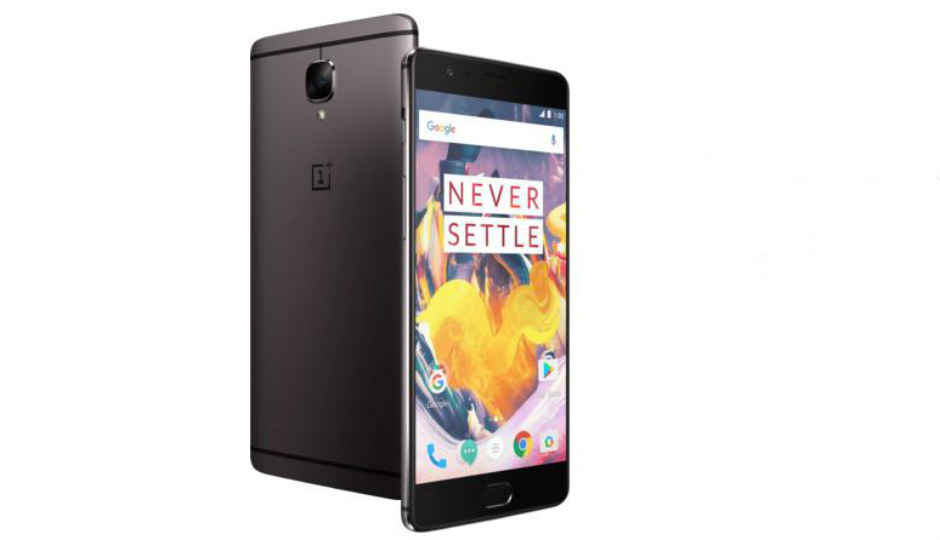 OnePlus is updating its OnePlus 3 and OnePlus 3T phones with the latest OxgenOS 5.0.6 Over The Air update. The new patch brings the September Android security patch for the two smartphones, along with some general bug fixes and improvements. However, that is all there is to the update as there are no new features or additions to the operating system. As mentioned, the new patch is being seeded as an OTA update and can take some time to reach every device. One can check if it’s available on their unit by heading over to Software Updates in Settings. As per OnePlus’ Software Maintenance Schedule, which was announced back in June, the OnePlus 3/3T will receive regular OTA updates till November 2018. The company will be seeding new features, Android version updates and Security patches once in two months for two years since a phone was launched. This will be followed by bi-monthly Android security patch updates for another year. This means that the OnePlus 3/3T should be up-to-date in terms of security until November 2019. Alongside the OnePlus 3/3T, OnePlus 5/5T, and the OnePlus 6 (review) fall under the new Software Maintenance Schedule. The company’s latest handset, the OnePlus 6, recently started receiving the OxygenOS Open Beta 4 update. The most notable is perhaps the touch latency issue fix, which many users were complaining about. There’s also Optimised standby power consumption, which should also result in better battery life of the phone in general. The OnePlus 6 runs on the Qualcomm Snapdragon 845 processor with up to 8GB RAM, and up to 256GB of storage. The 6.28-inch display features an Optic AMOLED panel with FHD+ resolution. On the rear is a dual camera setup that features a 16MP primary sensor with a f/1.7 aperture and a secondary 20MP sensor with a f/1.7 aperture. On the front, there is a 16MP selfie camera. The whole package is backed by a 3300mAh battery. OnePlus will soon announce its OnePlus 6T smartphone, which will reportedly launch on on October 17. The upcoming device will feature an in-display fingerprint sensor and is rumoured to feature a ‘waterdrop’ notched display. It might feature a 6.4-inch AMOLED screen with a 2340x1080p resolution and is expected to be launched running on the Qualcomm Snapdragon 845 SoC. It is speculated to be launched in 6GB and 8GB RAM versions with options of 64GB/128GB/256GB of internal storage. Overall, except for the new notch design and an in-display fingerprint sensor, the OnePlus 6T might be the same as the OnePlus 6 in terms of processor, storage and RAM configurations. You can read our rumour roundup of the smartphone here.
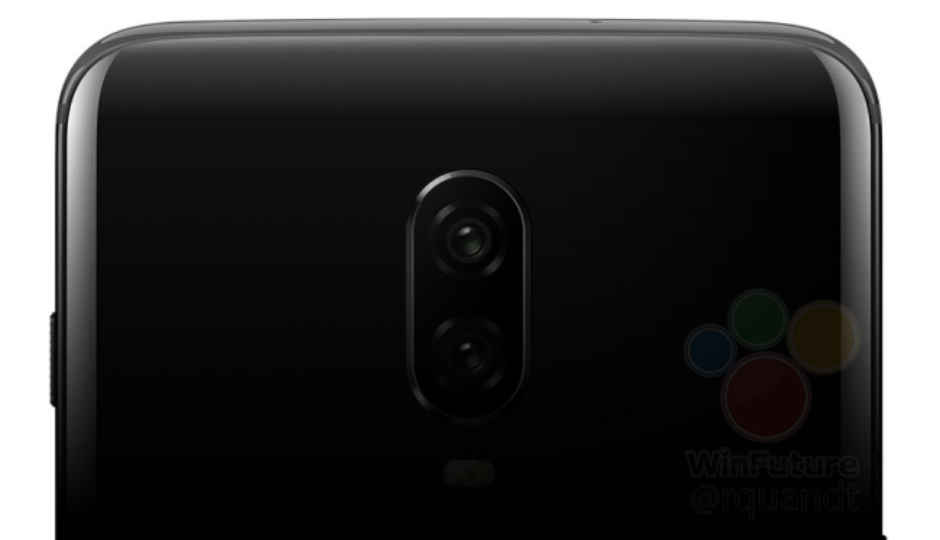 Another day, another OnePlus 6T teaser. OnePlus, on its official social handles, has released a small 5 second video teasing the edge of the smartphone. One glimpse of the teaser, and it looks like the smartphone will have an edge-to-edge display with slim bezels. Information circulating the internet suggests that the OnePlus 6T will be announced on October 17. The date seems to be a little early as historically OnePlus has launched its “T” devices in November. Additionally, an image of the launch invite also features the new tagline “Unlock The Speed,” which is most likely a reference to the presence of an in-display fingerprint sensor on the upcoming phone. Vivo was the first company that launched a smartphone with an in-display fingerprint sensor. The OnePlus 6T is rumoured to feature a ‘waterdrop’ notch display, same as the Oppo R17 Pro or the Vivo V11 Pro. In terms of display size, it is rumoured to sport a 6.4-inch AMOLED screen with a 2340x1080p resolution. As mentioned above, the device is expected to feature an in-display fingerprint scanner and a previously leaked image of the device’s retail box and the new invitation image hint at the same. The smartphone is expected to launch running on the latest Qualcomm Snapdragon 845 SoC, which is coupled with the Adreno 630 GPU. The OnePlus 6T was also listed on an online retailers’ website ahead of the launch. The listing suggests that it could be launched in 6GB and 8GB RAM versions and with 64GB/128GB/256GB of internal storage. With the “T” cycle of OnePlus phones, the design usually doesn’t change. However, it looks like the notch and fingerprint sensor will be the biggest external changes with the OnePlus 6T. In terms of optics, the OnePlus 6T was rumoured to feature a triple rear camera setup. However, a recently leaked image of the device’s rear panel suggests that the company might equip the phone with dual cameras only. The first official TV ad of the smartphone has been on air for quite a few days now, and it also hinted at the same, although nothing is certain until the device is launched. The OnePlus 6T is confirmed to ditch the 3.5mm audio jack – another physical change when compared to the OnePlus 6. As far as pricing is concerned, it could be priced at $550 (Rs 38,000 approx), however, the online listing that revealed most of the upcoming device’s specs was selling it for $569, which approximates to Rs 41,000. Information circulating the internet also suggests a change in the mAh capacity of the OnePlus 6T’s battery when compared to the 6. The OnePlus 6 houses a 3300mAh battery and the OnePlus 6T will reportedly feature a 3700mAh battery. Now, this isn’t the largest battery capacity on a smartphone as we have seen devices sporting a 4000mAh and even 5000mAh batteries. The OnePlus 6 does have a good battery life and with an increased capacity and software-based optimizations that make it even better, the OnePlus 6T could end up having a better battery life than its predecessor with the extra capacity. The OnePlus 6T isn’t the only device from OnePlus that will launch in 2018. OnePlus is working on a TV as well and has announced a contest for OnePlus fans to name the TV. The TV is expected to make its debut in December. Apart from phones, OnePlus had launched a power bank back in 2014 but never released a follow-up. The company has launched OnePlus Bullets earphones and launched the OnePlus Bullets Wireless along with the OnePlus 6. With the absence of a headphones jack from the OnePlus 6T it is possible that the company will announce a USB-C OnePlus Bullets headphone, but that’s just us speculating. A key innovation lies just beneath the surface. Prepare for the #OnePlus6T. pic.twitter.com/uWuTsp7Lcb — OnePlus (@oneplus) September 30, 2018 More power. It's coming. #OnePlus6T pic.twitter.com/S8wEL329vx — OnePlus (@oneplus) September 29, 2018


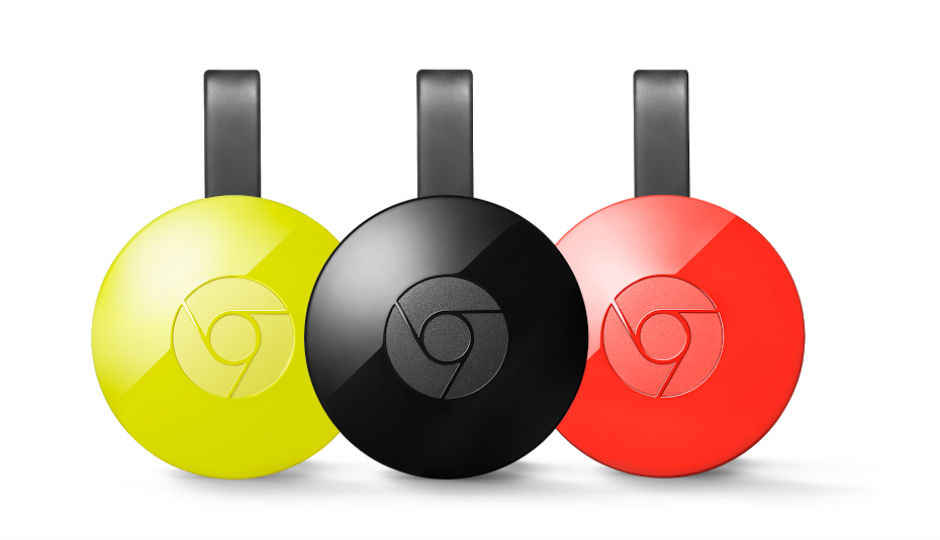 Google’s Chromecast has been a vastly popular device, with just enough features to keep the users happy, and enough missing for everyone to look forward to the next generation of the device. The Google Chromecast is up for an upgrade and turns out, even before Google had a chance to reveal the new entertainment dongle, Best Buy has already sold a unit to a lucky customer. The news comes directly from the customer himself, who took to Reddit to discuss his experience. In a post titled “I think I bought the 3rd gen Chromecast too early,” the OP (original poster) writes “I went to Best Buy earlier to pick up a Chromecast for my new TV, then I noticed the packaging and design was different from my first one. I thought it was just a design refresh taking queues from the Chromecast Ultra. Then when I was at the cashier, they couldn't scan the item because it wasn't in the system yet because the release date is on the 9th of October (Same day as the 2018 Google event) but I guess they put it out too early. But since I already had it in my hand and was the same price as the 2nd generation Chromecast, they let me have it under the old SKU. Upon setting up at home and comparing it to my 2nd gen Chromecast, it seems a little thicker. The top is no longer glossy and the Chrome logo has been replaced with the G Google logo. Still micro-USB (sad right). They did remove the magnetic HDMI connector on the tip and base of the Chromecast which is a bummer.” 3rd gen Chromecast on the left vs 2nd gen Chromecast on the right When asked about the various experiences by other users, the OP notes that he wasn’t able to set up the device because it kept telling him that he needed to update the Google Home app, but the update hasn’t been released yet. The OP already notes the physical changes, stating that the Chrome logo has now been replaced by a G and the finish is now matte instead of glossy. He also revealed that the device will be launching on October 9, the same day Google is expected to launch the third generation of Pixel smartphones.


